
31 Mar A Crowd of Problems Malta’s Nature is Facing Due to Overpopulation
Overpopulation is the condition where a population exceeds the carrying capacity of its environment. Malta is a small, but densely populated country. At the end of 2024, the total population of Malta was estimated to be around 574,250. This number is still growing to this day, leaving its scars on our nature and its inhabitants.
The Rise of Buildings and The Loss of Nature
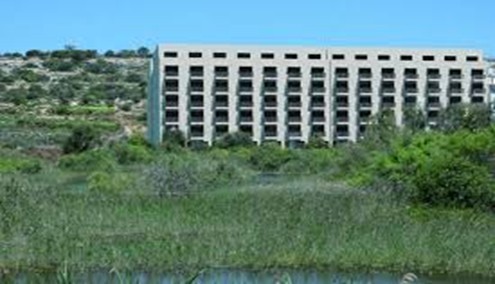
Buildings are being built around our country, for many reasons – one of them being the increase in the number of foreigners living in Malta. Because of these problems, housing as well as workplaces must be built so that people can have places to live and work.
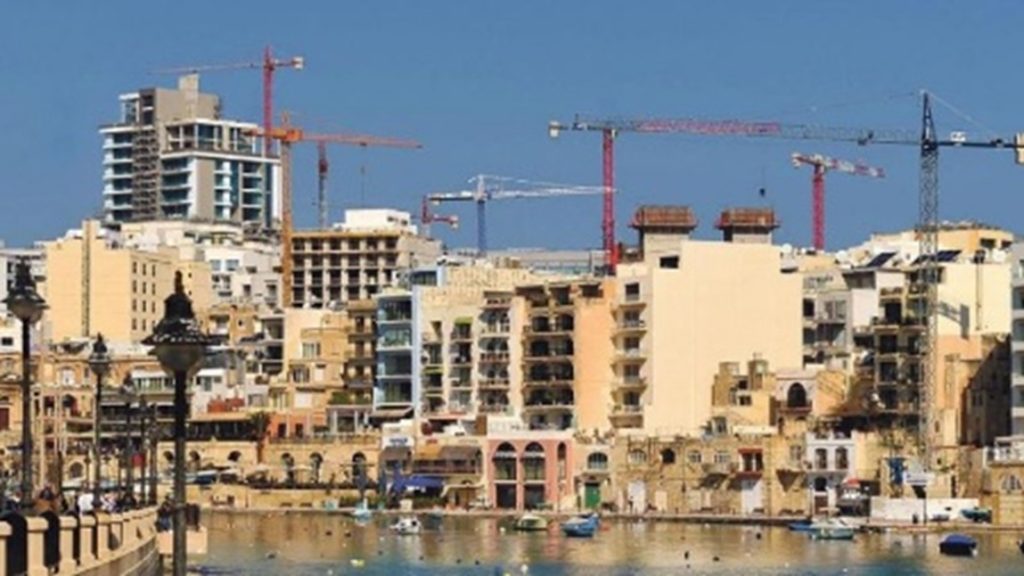
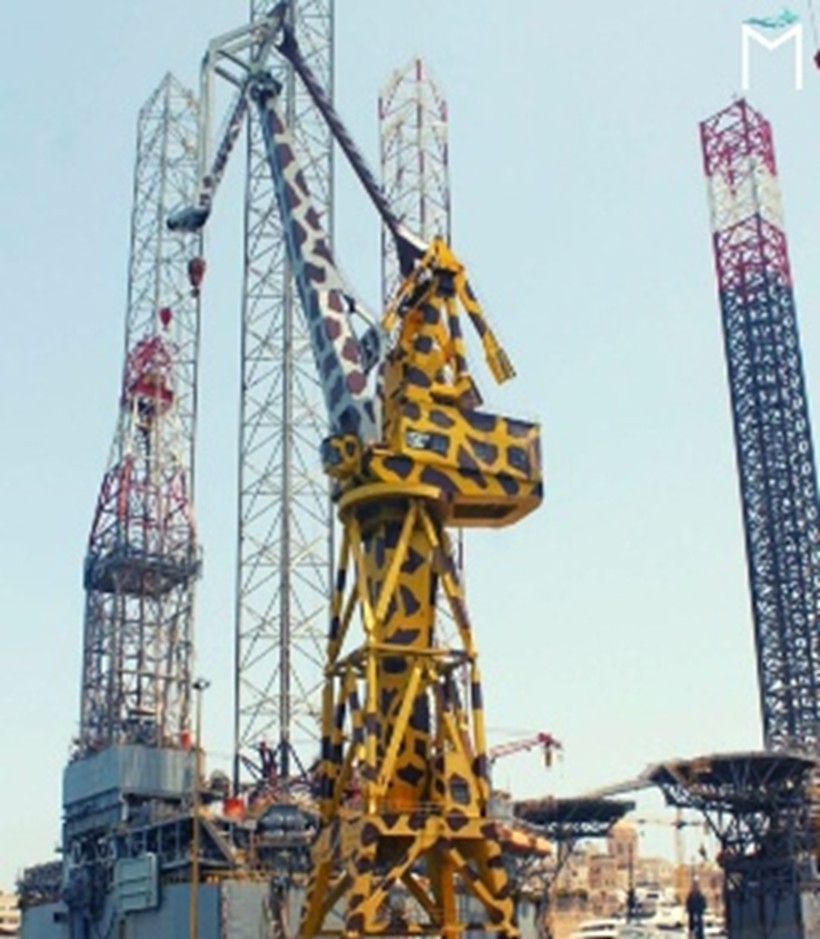
But do we ever stop and wonder about where animals live? Or where they end up when green areas are obliterated? The truth is, Malta is being swallowed by high-rise buildings like apartments and offices that are taking away green spaces and stealing the homes of innocent animals. In fact, we can see towering cranes in construction sites scattered around our country, replacing trees and wildlife.
Traffic – An Obstruction to Tranquillity
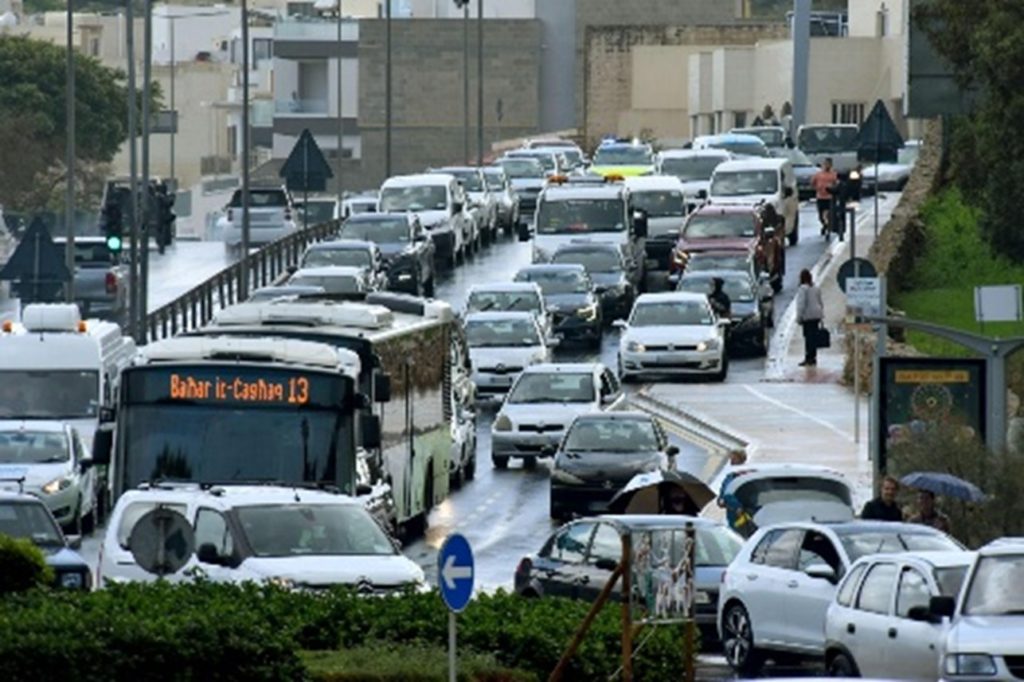
Traffic is quite a familiar term in Malta, and many people complain about it. Without a doubt, nature complains too. Traffic causes air pollution, which is, in simple words, the process of making the air dirty. It also makes noise pollution, though this cannot be seen, it creates harmful and annoying levels of noise. These two factors can affect both humans and animals in negative ways.
To begin with, air pollution can put animals at a higher risk of diseases, as their immune systems become weak, leading to infections or diseases like asthma and allergies. Air pollution can also cause skin irritation. On the other hand, plants can be damaged in many places, such as their leaves and roots. This ongoing problem can also stunt the plant’s growth.
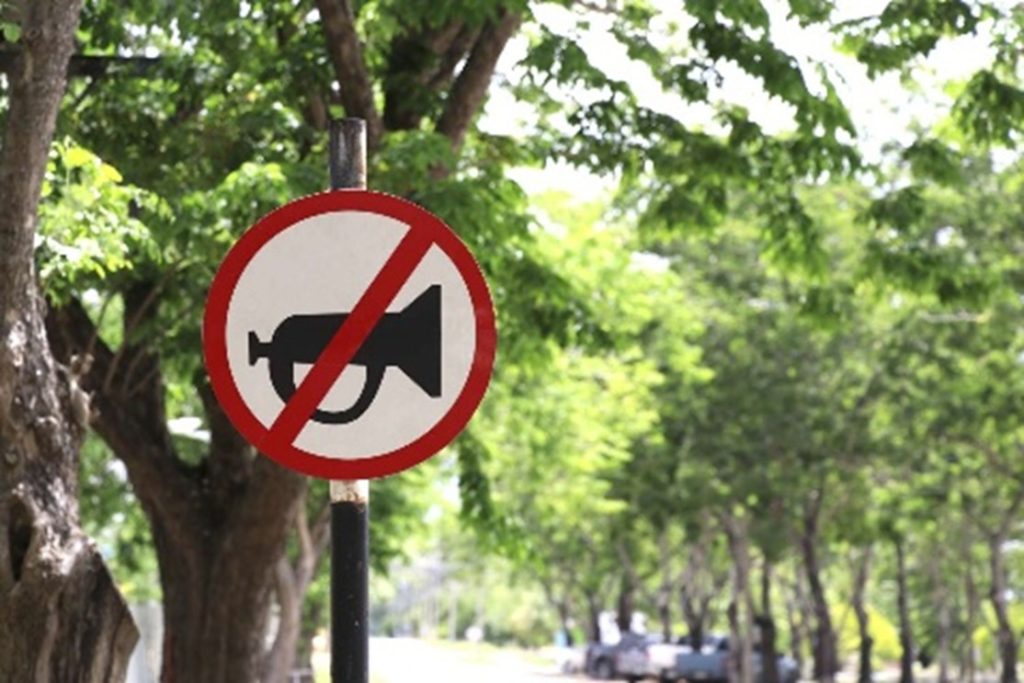
Traffic also produces noise pollution, which affects wildlife and plants in various ways. Animals use sound to communicate, warn others of danger, and identify their offspring. Therefore, when there is a lot of noise and commotion, they find it hard to do these things. The effects on plants are just as harmful. Due to noise pollution, plants can experience changes in photosynthesis efficiency and even in the uptake of nutrients. Noise pollution can overall stunt a plant’s growth.
It is important to remember that pollution isn’t only caused by traffic, but by many other factors, such as factory emissions, aircrafts and sea vessels.
Beaches and Green Areas – Are They Serving Their Purpose Anymore?
Despite all of these problems, we can still spot places in Malta that aren’t dominated by buildings and pollution. For instance, there are many beaches and nature parks around Malta, some of the most well-known ones include: Għadira Nature Reserve, Buskett Woodlands, Dingli Cliffs, Ramla Beach, and Blue Lagoon, to name a few. They all have their own unique characteristics – but not all of them are completely positive.
Beaches are becoming increasingly overcrowded, leaving no space for nature or animals to thrive. The more people, the more litter and the lower quality of water there is. If we keep on proceeding like this, marine life will be endangered, and some species may risk extinction.
Even green areas are also experiencing overcrowding. Areas that were once viewed as peaceful, nature-abundant spots, are now becoming frequently crowded with a greater number of both local and foreign people. Although tourists are important, their presence can sometimes augment the overcrowding issue.
Overpopulation is a problem many countries face when they are populated in excessively large numbers. Many people share their opinions regarding this in Malta, and while this is important, nature remains silent. This silence must be more recognised by Malta’s citizens, so we can ensure that nature has its say – and ideally someday, has its way.
Rachel Gatt